





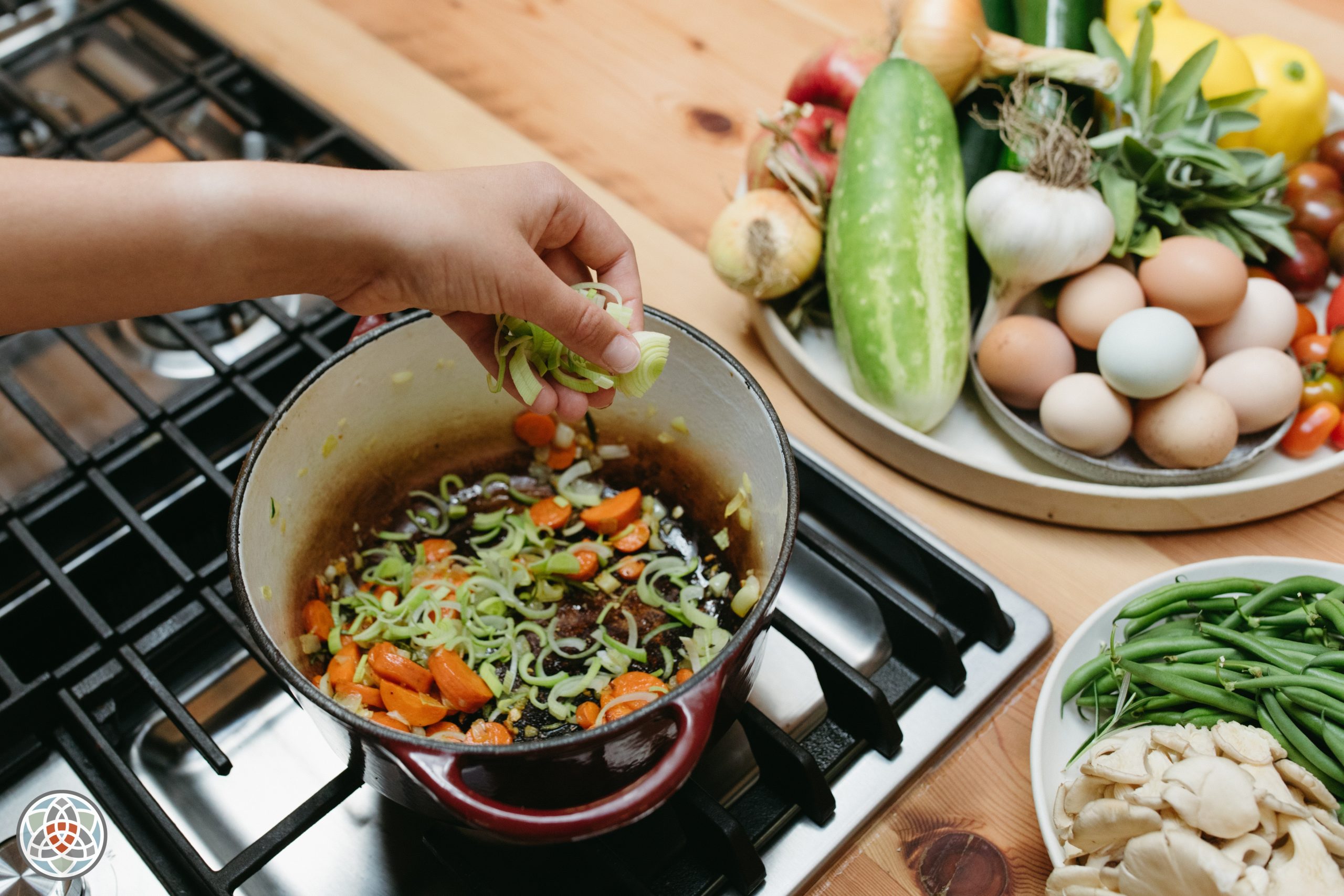
The Anti-Inflammatory Shift: Why Holistic Nutrition is More Than Just a Diet

If you’ve spent more than five minutes scrolling through wellness social media, you’ve probably seen the phrase “anti-inflammatory diet” more times than you can count. It’s usually accompanied by a picture of a perfectly ripe avocado or a steaming cup of golden milk.
And while we love a good turmeric latte as much as the next person, here at Pacific Rim College Online, we like to dig a little deeper.
Inflammation isn’t just a buzzword; it’s a complex biological response that can either be your body’s best friend (healing a scraped knee) or its worst enemy (fueling chronic illness). When we talk about an anti-inflammatory diet, we aren’t just talking about adding a sprinkle of chia seeds to your morning yogurt. We’re talking about a fundamental shift in how you interact with food, your environment, and your own unique physiology.
This is where holistic nutrition comes in. It’s the difference between following a “list of good foods” and actually understanding the language your body speaks.
The “Gold Standard”: It’s Not Just What You Add, It’s What You Remove
In a world obsessed with superfood “hacks,” legendary herbalist and educator Paul Bergner reminds us of a vital clinical truth: simple addition is rarely enough. In his mini-lesson on Food Elimination & Withdrawal, Bergner highlights that the “gold standard” for identifying the root of systemic inflammation isn’t a fancy blood test: it’s the process of elimination and re-challenge.
Think of it this way: you can’t put out a fire if you’re still pouring gasoline on the back porch.
You can eat all the anti-inflammatory foods in the world: wild-caught salmon, leafy greens, walnuts, and berries: but if you are simultaneously consuming a “trigger food” that your specific immune system perceives as an enemy, the “fire” of inflammation will keep burning.
Bergner suggests that learning how to navigate an elimination diet is more than just a clinical tool; it’s an essential life skill. It’s about gaining the autonomy to know exactly which foods are compatible with your body and which ones are causing silent suffering.
Why Most “Anti-Inflammatory” Plans Fail
Maybe you’ve tried an elimination diet before. Maybe you cut out gluten for three days, felt no different, and went right back to your sourdough habit. If it didn’t work, you aren’t alone. Most DIY attempts at an anti-inflammatory shift fail for five specific reasons:
1. The Withdrawal Wasn’t Complete
This is a classic “poor instructions” pitfall. You might cut out milk but keep eating cheese and yogurt. Or you might cut out “sugar” but ignore the high-fructose corn syrup hidden in your salad dressing. To find the “gold,” the withdrawal from inflammatory foods to avoid (like processed vegetable oils, refined sugars, and personal allergens) must be absolute for a set period.
2. You Didn’t Give It Enough Time
Healing doesn’t happen overnight. Some people expect a total systemic reset in 48 hours. In reality, the body often needs three to six weeks to fully clear the inflammatory signals and allow the gut lining to begin its repair work. If you stop at day four, you’re missing the breakthrough.
3. Hidden Allergens and Multiple Triggers
Often, there isn’t just one culprit. You might be reactive to dairy and soy. If you only remove the dairy, you might feel 20% better, but the remaining soy will keep the inflammatory markers elevated enough to mask your progress.
4. Ignoring the “Inner Terrain” (Dysbiosis and Leaky Gut)
Sometimes, it’s not just about the food; it’s about the environment the food is landing in. If you have significant gut dysbiosis (an imbalance of bacteria) or a “leaky” intestinal lining from years of stress or antibiotics, even “healthy” foods can trigger an inflammatory response. Holistic nutrition teaches us that we must rebuild the system: through probiotics, mucilaginous herbs, and nutrient-dense broths: while we manage the diet.
5. The “DIY” Burnout
Navigating the complexities of systemic inflammation is hard to do in a vacuum. This is why working with a professional: or becoming one yourself: is so transformative. A practitioner doesn’t just give you a list; they provide the assessment skills to help you accurately track progress so you don’t miss the subtle signs of healing.
Taking the Next Step in Your Holistic Journey
Understanding the “why” behind inflammation is the first step toward a vibrant, low-pain life. Whether you are looking to heal your own gut, support your family, or start a new path in the wellness industry, we have a personal enrichment or continuing education program to guide you.
- Holistic Nutrition: Dive deep into the science of how food acts as medicine. Learn how to craft individualized protocols that go far beyond generic “anti-inflammatory” lists.
- Community Herbalist: Discover how to pair nutritional shifts with the power of botanical medicine to soothe the nervous system and support the liver.
- Home Herbalist: Perfect for those wanting to bring these “life skills” into their own kitchens and medicine cabinets.
Conclusion: It’s a Relationship, Not a Rulebook
The shift toward an anti-inflammatory lifestyle isn’t about restriction; it’s about clarity. It’s about removing the noise so you can finally hear what your body has been trying to tell you all along. When you combine the “gold standard” of elimination with a foundation of high-quality education, you aren’t just going on a diet. You’re reclaiming your health.
Ready to find your “gold”? Explore our courses and start building those essential life skills today.
This information is for educational purposes only and is not intended to be a substitute for professional medical advice, diagnosis, or treatment. Always seek the advice of your physician or other qualified health provider with any questions you may have regarding a medical condition.