





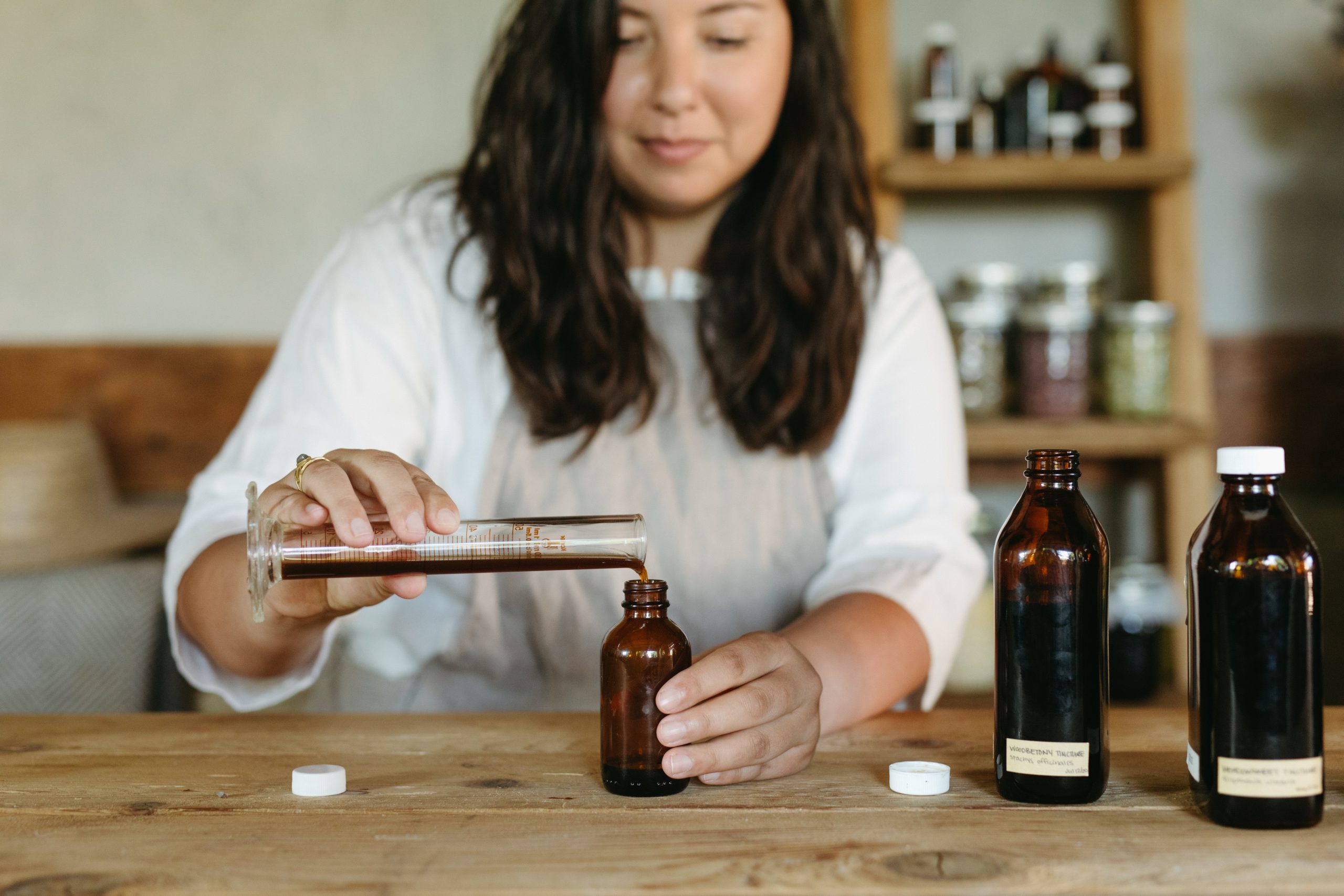
The Return of Herbalism: Remembering Our Relationship with Plants

There is a quiet remembering happening. It doesn’t arrive all at once.
It often begins in small ways — a cup of tea in the evening, the scent of a plant crushed between your fingers, a moment of stillness in a garden. And somewhere in that moment, something feels familiar.
Not new.
Not learned.
But remembered.
For many people, this is how the path into herbalism begins.
A Knowledge That Was Never Meant to Be Lost
Long before wellness became an industry, care was something woven into daily life. Plants were not separate from health — they were part of it. They were gathered, prepared, shared, and passed down. Through stories. Through communities. Through generations.
This knowledge did not live in textbooks alone. It lived in relationships — between people, and between people and the natural world.
Over time, much of that connection became quieter.
Not gone, but less visible.
And now, something is drawing people back.
Why People Are Returning to Herbalism
In a world that often feels fast, complex, and disconnected, herbalism offers something steady. It does not ask you to optimize yourself. It does not demand perfection.
Instead, it invites you to notice.
To pay attention to how your body responds. To begin understanding the rhythms of energy, rest, digestion, stress, and repair. To recognize that support does not always have to be intense to be effective.
A warm infusion of chamomile before sleep.
Ginger steeped slowly to ease digestion.
Lemon balm to soften the edges of a long day.
These are simple acts.
But they are also deeply human ones.
Rebuilding a Relationship
Herbalism is not just about using plants. It is about building a relationship with them.
Learning how they grow.
When they are most potent.
How they interact with the body.
And how they can be incorporated into daily life in ways that feel supportive rather than overwhelming.
This relationship doesn’t require expertise to begin. It begins with curiosity.
With asking questions like:
What does my body need right now?
What supports me in a way that feels sustainable?
From there, something begins to take shape — not just knowledge, but trust.
When Curiosity Deepens
For some, this relationship remains personal. It becomes part of how they care for themselves and those around them — a quiet, steady practice that evolves over time.
For others, the curiosity deepens.
There is a desire to understand more.
To move beyond recipes and into principles.
To learn not just what to use, but why it works.
This is often where guided learning becomes meaningful.
At Pacific Rim College Online, programs like the Community Herbalist and Home Herbalist courses are designed to support this stage of the journey. They create space to learn in a way that is both structured and accessible — grounding herbal knowledge in everyday application while honoring the depth behind it.
A Path That Can Continue
For those who feel something even stronger — a sense that this work is not only personal, but something they may want to share or build a future around — the path can continue.
Some students move into more in-depth, clinical training through Pacific Rim College, where herbal medicine is studied with the rigor required to work professionally with others.
But that step begins here.
With interest.
With curiosity.
With a sense that something important is being rediscovered.
A Return to Something Essential
The return of herbalism is not about going backwards. It is about restoring balance. Reconnecting with forms of knowledge that are slower, more relational, and deeply rooted in care.
And perhaps most importantly, it is about remembering that health is not something we need to chase. It is something we can learn to support — gently, consistently, and in relationship with the world around us.