






What Does “Clinical Training” Mean in Natural Medicine?

When people first explore natural health education, one question arises quickly: what does clinical training actually mean?
In conventional healthcare fields, clinical experience is widely understood as learning through real patient interaction under supervision. Natural medicine follows the same principle — but with its own unique emphasis on holistic observation, individualized care, and relationship-centered practice.
Clinical training moves education beyond theory.
Students may begin by studying anatomy, herbal actions, nutrition principles, or Traditional Chinese Medicine philosophy through structured coursework. These foundations are essential, but knowledge becomes meaningful when learners begin applying concepts in real-world contexts: observing consultations, discussing cases, and gradually participating in supervised care environments.
This progression helps students develop something textbooks cannot fully teach — clinical thinking.
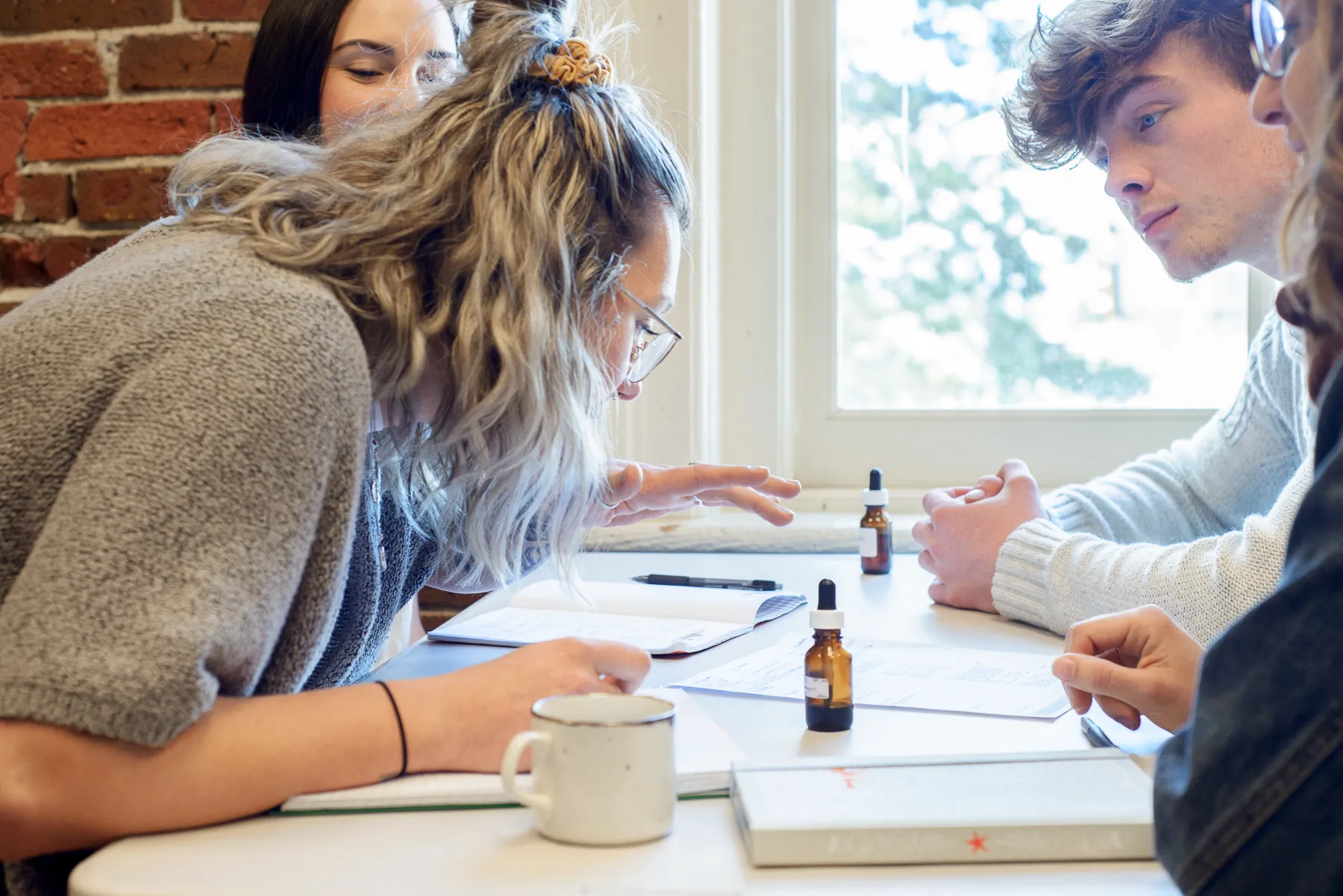
Clinical thinking involves recognizing patterns, asking deeper questions, and understanding how lifestyle, emotional health, environment, and physiology interact. It is the difference between memorizing information and learning how to support a person’s wellbeing responsibly.
At Pacific Rim College Online, students are introduced to these concepts through case-based learning, guided reflection, and practitioner-led instruction that mirrors real clinical reasoning.
Explore foundational courses:
https://pacificrimcollege.online/programs
For learners who continue into hands-on training, clinical education expands further. At Pacific Rim College, students begin engaging with supervised clinical environments early in their programs, allowing confidence and competence to grow gradually rather than appearing suddenly at the end of training.
Discover PRC clinical learning:
https://pacificrimcollege.com/clinic
Early clinical exposure helps students:
- connect theory with practice
- understand professional responsibility
- develop communication skills
- observe real health outcomes
Importantly, clinical training also teaches humility. Students learn that healing is collaborative, individualized, and continuously evolving — lessons that shape ethical practitioners long after graduation.
For prospective students, understanding clinical education helps clarify what distinguishes structured training from informal learning. Natural medicine is both an art and a discipline, and clinical environments ensure practitioners develop safely, thoughtfully, and responsibly.
In many ways, clinical education is where learning becomes lived experience — the moment knowledge begins serving real people.