


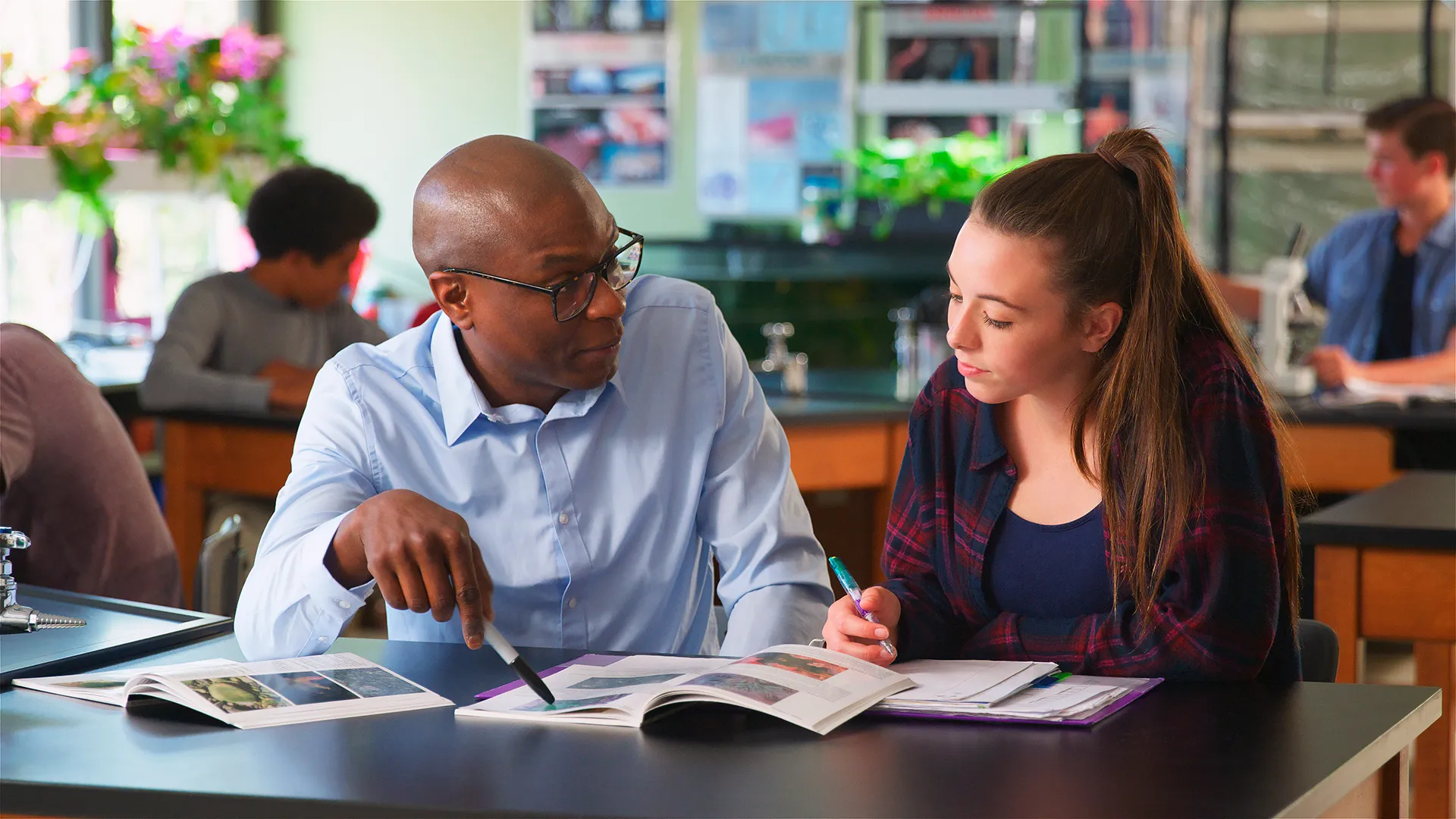



The Future of Natural Health Education in Canada: Online, Experiential, and Integrated

Over the past decade, natural health education has undergone a quiet but profound transformation. What once required relocation, rigid schedules, or limited access has evolved into a learning model that is more flexible, connected, and responsive to how people live today. Across Canada, students are no longer choosing between online learning and hands-on experience — they are seeking education that meaningfully combines both.
The future of natural health education is integrated.
At Pacific Rim College Online (PRCO), online learning allows students to begin exploring herbal medicine, holistic nutrition, Traditional Chinese Medicine, and sustainable living practices from anywhere. Courses are designed to meet learners at different stages — whether someone is nurturing personal wellness or considering professional training.
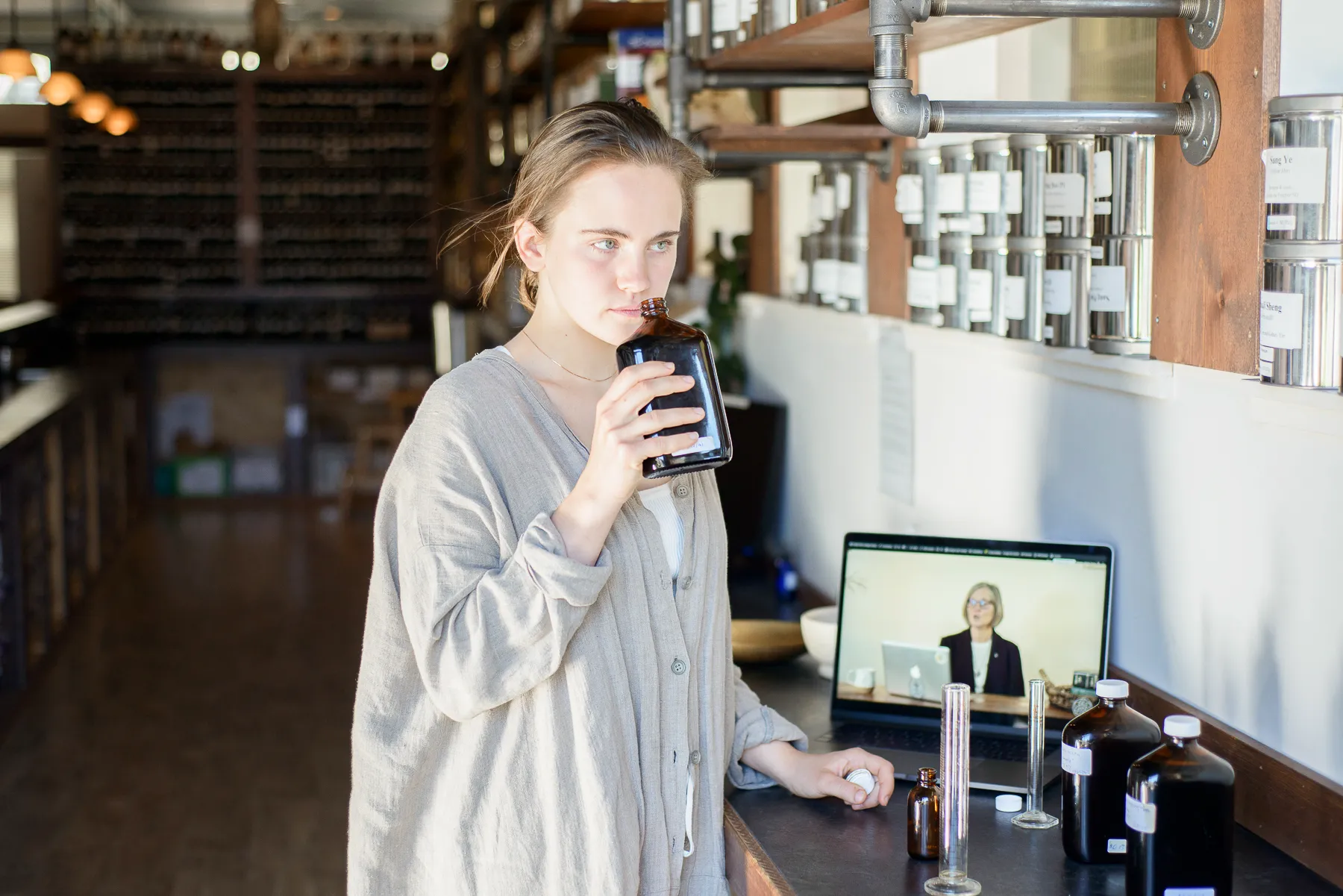
Explore online programs:
https://pacificrimcollege.online
Online education provides accessibility and flexibility, but natural medicine has always been rooted in lived experience. Understanding plants, nutrition, or energetic medicine requires observation, practice, and human connection. Increasingly, the most effective education models recognize that digital and experiential learning are complementary rather than competing approaches.
This integration becomes visible when learners move from foundational study into applied environments such as teaching clinics, supervised practice, and collaborative learning communities. Institutions like Pacific Rim College demonstrate how experiential education deepens theoretical understanding through real-world application, allowing students to witness how natural medicine supports individuals and communities.
Learn more about campus programs:
https://pacificrimcollege.com
Today’s learners often begin online, building confidence and foundational knowledge before deciding how deeply they wish to pursue practitioner training. Some continue learning casually, while others discover a calling that leads toward clinical education and professional practice.
This pathway reflects broader changes in healthcare itself. Preventative wellness, integrative approaches, and patient-centered care are becoming increasingly valued across Canada. Education must evolve alongside these shifts — preparing practitioners who are adaptable, collaborative, and grounded in both tradition and evidence-informed practice.
Perhaps most importantly, modern natural health education recognizes that learning is not linear. Students may explore nutrition before discovering herbal medicine, or begin with personal wellness before stepping into professional identity. Flexible learning ecosystems allow curiosity to guide progression rather than forcing early specialization.
The future of education in natural health is therefore not defined by location or format. It is defined by connection — between knowledge and experience, tradition and innovation, learner and community.
And for many students, that journey begins simply by taking the first step toward learning.