


How Students Transition From Learning Theory to Helping Real People

One of the most meaningful moments in natural health education occurs when learning shifts from understanding concepts to supporting real individuals. For many students, this transition feels both exciting and intimidating — and entirely transformative.
The journey begins with curiosity.
Students often start by studying herbal medicine, nutrition, or wellness principles to improve their own health or support loved ones. Early learning focuses on foundational knowledge: how the body functions, how plants interact with physiology, and how lifestyle influences wellbeing.
But at some point, a deeper question emerges: How does this knowledge help someone else?
Education designed for practitioner development gradually introduces applied learning through case discussions, observational learning, and supervised practice scenarios. These experiences bridge the gap between intellectual understanding and compassionate application.
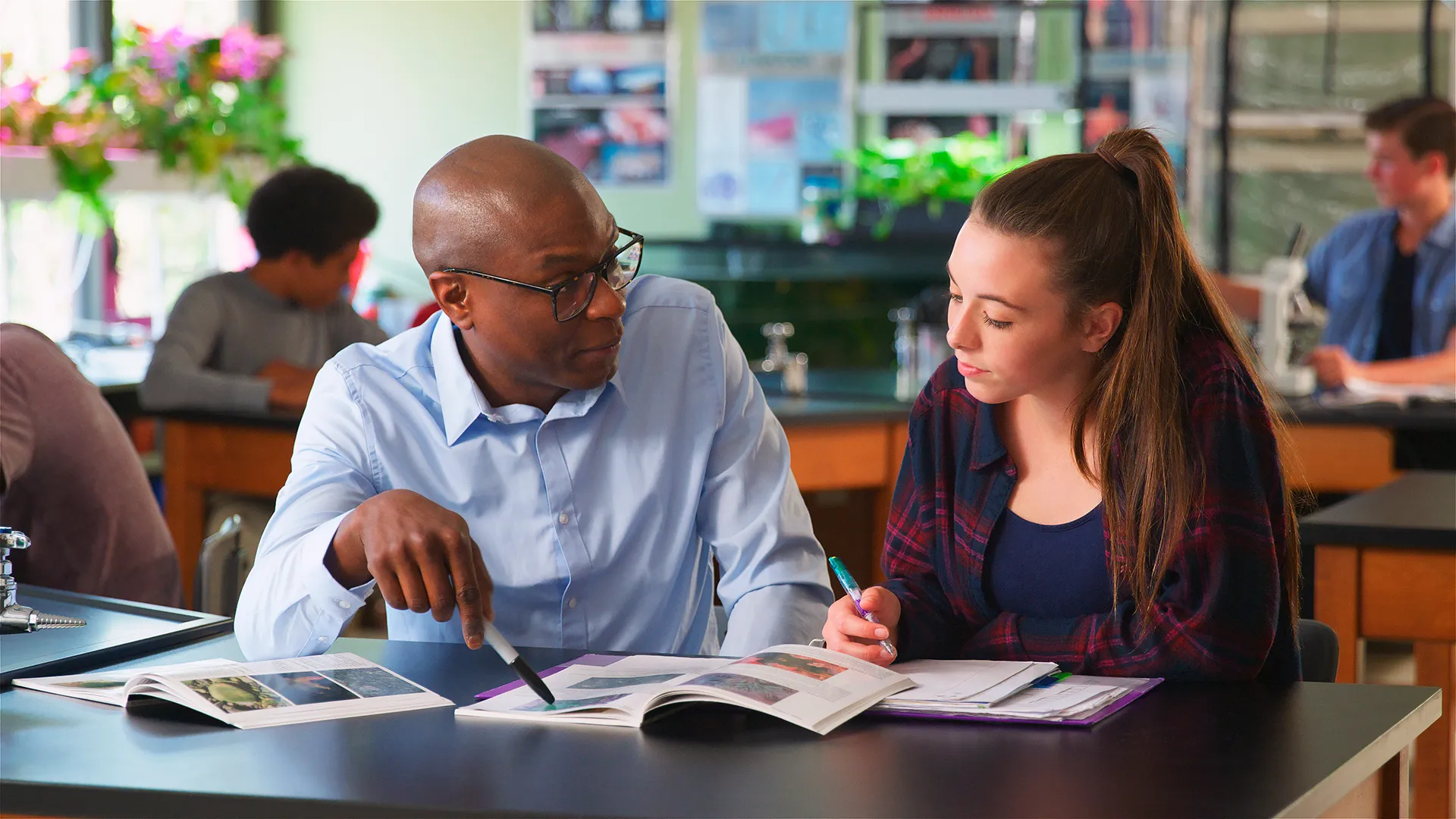
At Pacific Rim College Online, many courses introduce real-world examples that allow students to think through health scenarios step by step, building confidence before entering clinical environments.
Explore learning pathways:
https://pacificrimcollege.online
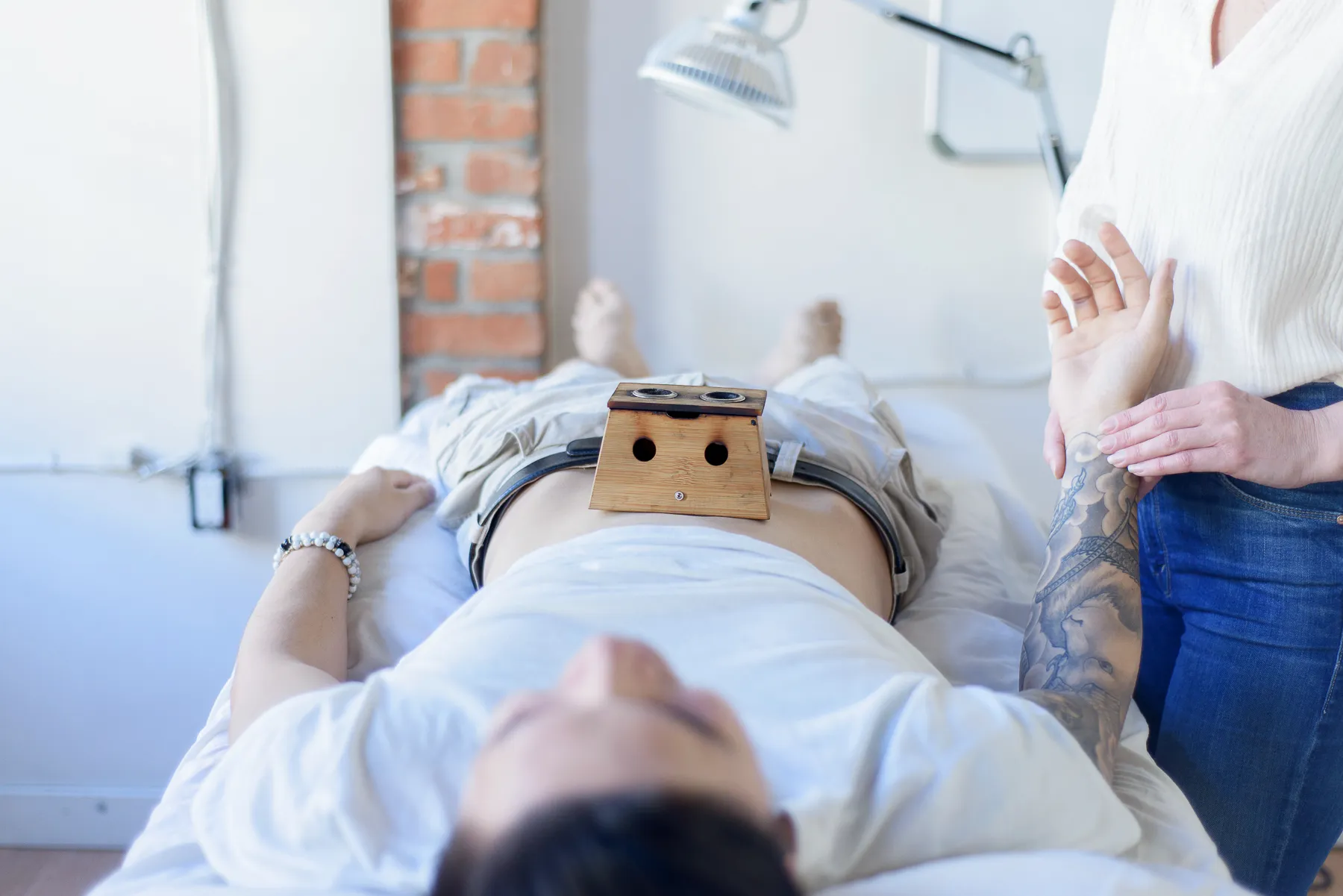
As students continue, experiential training environments — such as teaching clinics — provide opportunities to witness outcomes firsthand. Observing clients over time allows learners to see how small interventions can lead to meaningful change, reinforcing both skill development and professional responsibility.
At Pacific Rim College, students participate in supervised clinical settings serving thousands of community members annually. Exposure to diverse cases accelerates learning in ways simulation alone cannot replicate.
Learn about the PRC clinic:
https://pacificrimcollege.com/student-clinic
This transition teaches more than technique. Students develop empathy, communication skills, and the ability to adapt knowledge to individual needs — qualities essential to effective practice.
Helping real people also changes how students view learning itself. Education becomes less about mastering information and more about cultivating presence, observation, and thoughtful decision-making.
For many learners, this moment marks the shift from studying health to embodying it — recognizing that natural medicine is ultimately about relationship: between practitioner and client, knowledge and experience, learning and service.