


Need to Know
-
 Who is this course for?Everyone
 -
 Course length (start & watch when you want)1.20 hours of video content
 -
 ExtrasLifetime access · Certificate of completion
Meet your course instructor
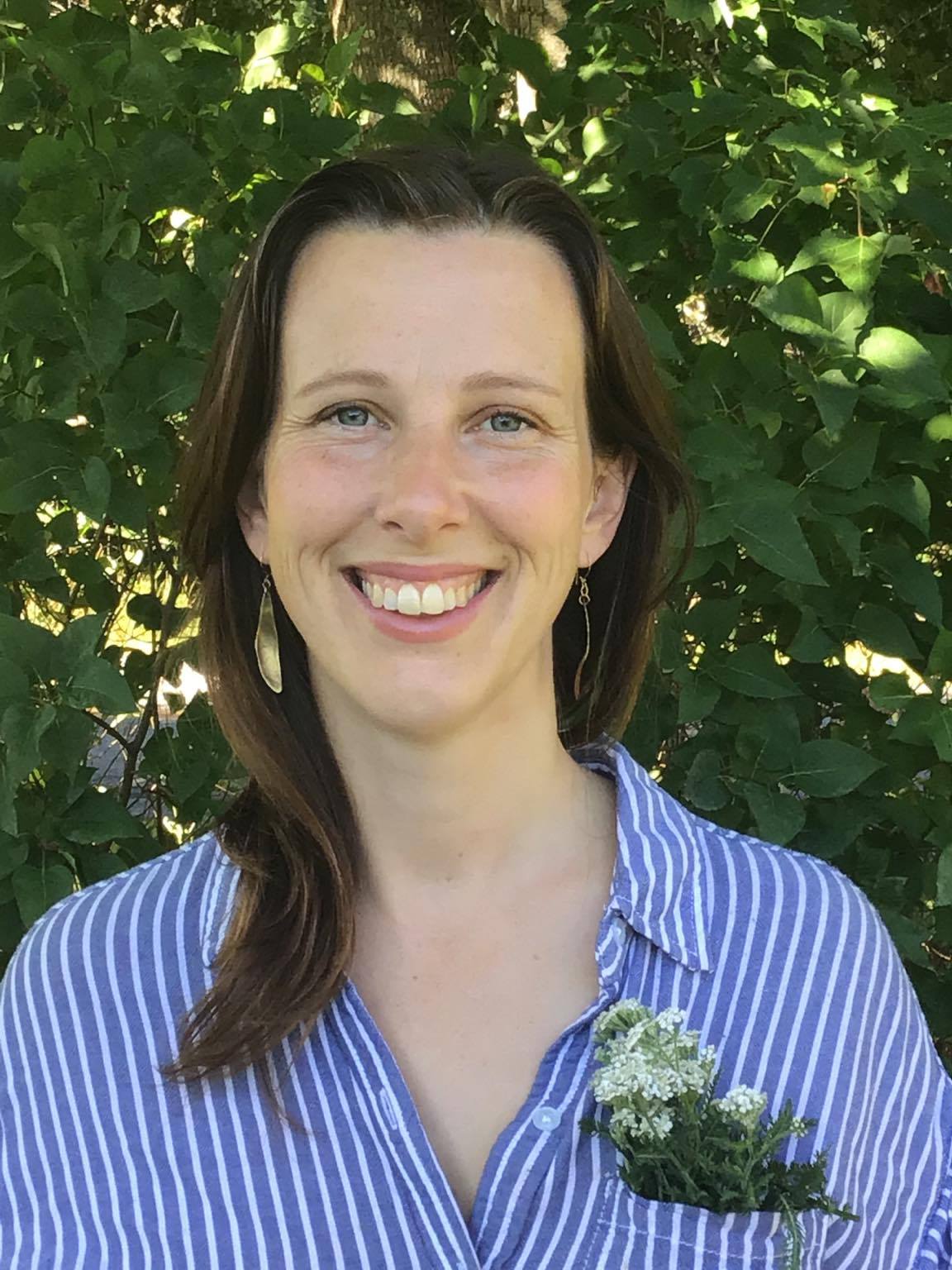
Benna Keoghoe | Registered Herbal Therapist
With a lifelong love of nature and the outdoors Benna earned a BSc in Wildlife Conservation from the University of Plymouth and a Diploma of Phytotherapy from Pacific Rim College. Before becoming a Clinical Herbalist, she worked for years as a field biologist studying aquatic health and sustainable forest management. When she discovered herbal medicine her path was changed, and she saw the opportunity to reconnect humans with plants and the natural world in a profound way. This alone can be an immensely healing experience for both humans and nature. Once we have a sense of deeper connection with the earth, we tend to have a stronger sense of belonging and purpose, along with the drive to understand and protect the natural spaces we hold dear. Benna now lives in Aylesford, Nova Scotia and is mom to an energetic toddler and step-mom to a teenager. She is slowly but surely growing her herbal gardens, rebuilding her herbal practice, moderating for Pacific Rim College Online Herbal Programs and holds courses, plant walks and workshops.
Course description
This course explores the identification, ethical harvesting, preparation, and traditional uses of medicinal wild plants found in forest ecosystems. Emphasizing ecological stewardship, sustainable foraging practices, and habitat awareness, students will learn how to recognize key species, understand their medicinal actions and applications, and harvest them responsibly while minimizing impact on sensitive environments. Through a blend of botany, herbal medicine, and conservation principles, the course fosters a deeper relationship with local plant communities and the landscapes they inhabit.
It’s important to know our friends in the forest and fields. This not only helps us stay safe, healthy and nourished, but brings a sense of belonging, fulfilment and a responsibility to protect and care for these plants and their environment in return.
Benna Keoghoe