
✨ Free Herbal Medicine Foundations Ebook with orders $40+ until June 30 ✨ Learn more. Dismiss

Skip to content
  • Programs
  • Enhancement Programs
  • All Courses
  • Areas of study
    • Acupuncture / TCM
      Bodywork & Movement
      Hormones & Women’s Health
      Herbal Medicine
      Holistic Nutrition
      Sustainable Living

  • Board Exam Preparation
  • 🇨🇦 About

Shopping Cart

No products in the cart.

Pacific Rim College OnlinePacific Rim College Online

Browse Courses
Courses & Programs
Programs
Live & Recorded Webinars
Courses
Learning Hub
Browse by Subject
Acupuncture / TCM
Bodywork & Movement
Hormones & Women's Health
Herbal Medicine
Holistic Nutrition
Sustainable Living
Acupuncture Board Exam Preparation
TCM/Acupuncture Bootcamps
Learn on campus at our
sister school

  • Gift
    • Gift Cards
      Give the gift of choice with our versatile gift cards. Choose your preferred amount.
      Buy a gift card
      Gift a Course
      Empower someone's future with the gift of education.
      This gifting option is available at checkout and will send to the recipient immediately.
      Select a course to gift
  • Store
  • Teams
  • 🇨🇦 About
  • Support
    • FAQ
      Find answers to our most common questions.
      Read FAQ
      Contact us
      Need help from a real human? We're open M-F from 11am-1pm Pacific Time.
      Email Us
      Call: +1 (877) 215-3592
      Live Chat
      Meet with our Head of Programs
My Account
Cart$0.00 0
Pacific Rim College OnlinePacific Rim College Online
Cart$0.00 0
My Account

Browse Courses
Courses & Programs
Programs
Live & Recorded Webinars
Courses
Learning Hub
Browse by Subject
Acupuncture / TCM
Bodywork & Movement
Hormones & Women's Health
Herbal Medicine
Holistic Nutrition
Sustainable Living
Acupuncture Board Exam Preparation
TCM/Acupuncture Bootcamps
Learn on campus at our
sister school
Gift
Gift Cards
Give the gift of choice with our versatile gift cards.
Choose your preferred amount.
Buy a gift card
Gift a Course
Empower someone's future with the gift of education.
This gifting option is available at checkout
Select a gift
Store
Teams

Nutrition 6 | Materia Medica of Food

Learn the fundamentals of nutrition by studying some of the most nutrient-dense foods available. In-depth food monographs will help build your confidence in making empowered food choices for yourself and your family.

  • Beginner
  • Length: 9.5 hours
  • Instructor: Dr. Angeli Chitale | BSc (Hons) ND

Need to Know

  • Who is this course for?
    Students of the Holistic Nutrition online program
  • Course length (start & watch when you want)
    9.5 hours of video content
  • Extras
    Lifetime access · Certificate of completion

Meet your course instructor
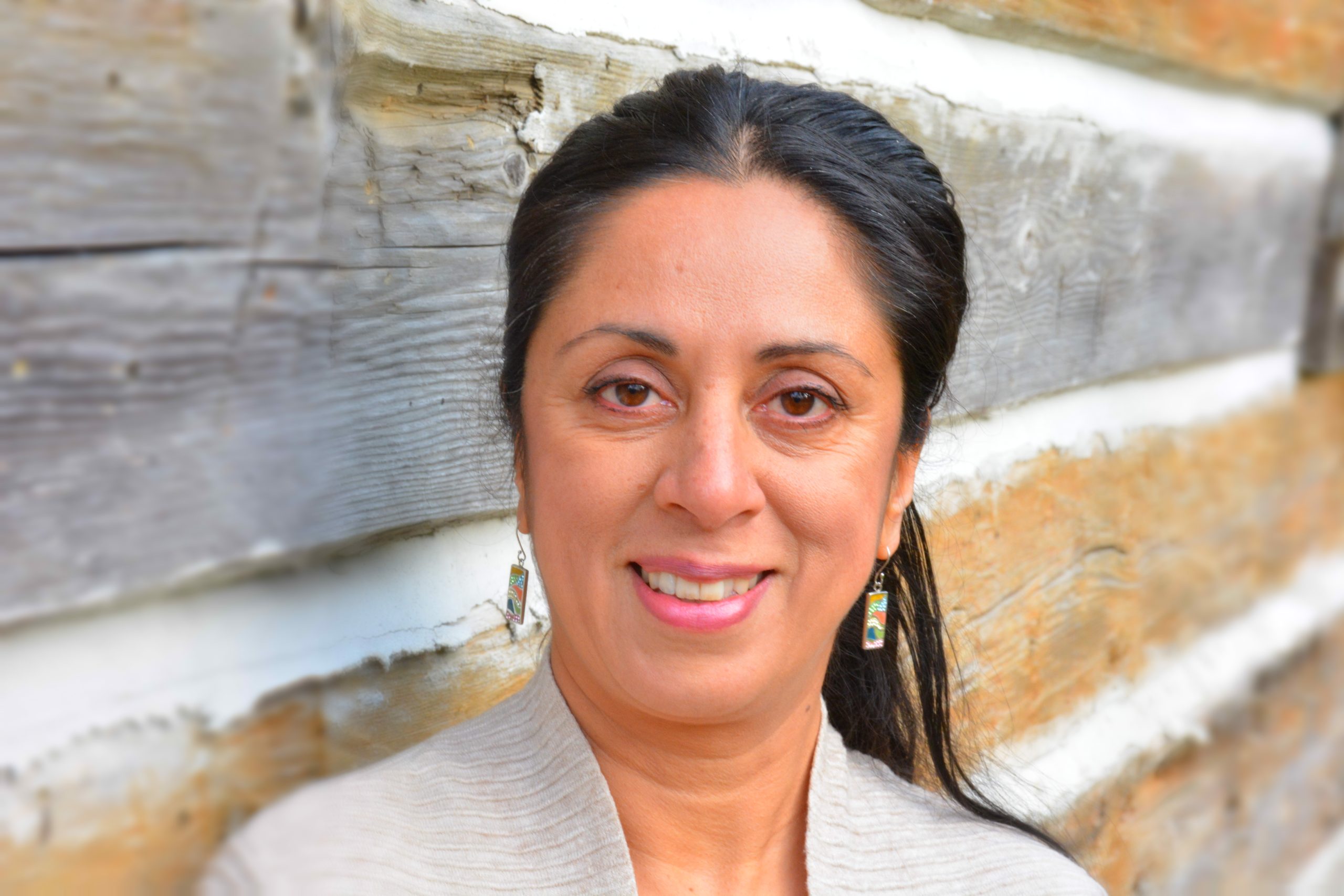
instructor's profile photo

Dr. Angeli Chitale | BSc (Hons) ND

Angeli Chitale is a Queen’s University Graduate in Molecular Biology and Genetics. During her final year of post-grad level work in genetic research at the Department of Pathology, she treated her chronic knee injury with natural medicine - nutrition, herbs and supplements. The impact was so life changing, it inspired her to pursue formal studies and training in Naturopathic Medicine. While a student at The Canadian College of Naturopathic Medicine (CCNM), Angeli pursued further hands-on training in botanical medicine with the Ontario Herbalists Association. Upon graduation, she obtained further qualification in Restorative Medicine for the treatment of Thyroid, Adrenal and other endocrine/metabolic conditions. Angeli believes in contributing to the profession and has served as an Executive Board Member, Medical Editor for the LAND (Ontario Association of Naturopathic Doctors), Chair of the Naturopathic Legacy Committee and has worked overseas with NGOs such as Naturopathic Doctors International who provides natural medical care to patients in remote and isolated areas of Central America. Here, Angeli supervised clinical care in Women’s Clinics, taught Global Health, Botanical Medicine and Clinical skills to prospective ND candidates from all over North America. Angeli is a professional member of the AARM (Association for the Advancement of Restorative Medicine) and continues to remain politically active in enabling access to natural health for the Canadian public. Angeli views health as maintaining balance within all aspects of a person: emotional, mental, spiritual, environmental, social, physical - and that healing happens on all levels. When not consulting, Angeli enjoys learning, teaching, writing articles for publication, growing food, hiking, kayaking and landscape painting.

Course description

Ever wonder how to make the best food choices for health using nutrition fundamentals, but unsure of where to begin? This course surveys the therapeutic properties of some of the most nutrient-dense foods available in North America. The course uses food monographs to highlight the historical and cultural significance, clinical relevance, and therapeutic uses of various foods. This course aims to provide the fundamentals of nutrition by introducing students to macros, micros, and phytonutrients necessary to build confidence in making empowered food choices for themselves and their families. 

The course covers the best sources of nutrition and how to maximize nutrient intake of the following:

  • The three macronutrients make up the bulk of calories in food (protein, carbohydrates, and fats).
  • Twenty-five essential micronutrients, including vitamins and minerals.
  • Types of fibre (soluble and insoluble).
  • Various phytonutrients, including flavonoids, lutein, and zeaxanthin.

This course is organized based on plant-based and animal-based groups, including:

  • Grains
  • Beans & legumes
  • Nuts & seeds
  • Vegetables
  • Fruits
  • Herbs & spices
  • Milk & milk products 
  • Eggs & poultry
  • Seafood
  • Meat

For each group listed above, analyses of the top five nutrient-dense foods are discussed in the context of designing therapeutic food plans.

Upon completion of this course, you will have the ability to:

  • Understand the historical and cultural relevance of specific foods.  
  • Understand nutritional science and the seven plus one main nutrient classes. 
  • Source the top foods containing 30+ essential nutrients.
  • Understand the significant therapeutic use of foods: applications, indications, contraindications, and toxicity. 
  • Be able to make therapeutic meal plans based on nutrient-dense foods. 
  • Evaluate the spectrum of eating practices for health benefits and risks. 
  • Know how to maximize nutrient intake by understanding appropriate selection, storage, and nutrient-rich preparation methods.
  • Understand energetics and subtle properties of food from eastern perspectives (Ayurveda and Traditional Chinese Medicine). 
  • Identify and utilize appropriate resources for research (monographs, articles etc.).
  • Create health-promoting nutrient-dense food plans with confidence using nutrient analysis.

Lesson plan

Section I | Welcome

1. Introduction

2. Course outline

Section II | Introduction to nutrient analysis & research

3. Best research strategies & sources

4. Food labels

5. Nutrient analysis

6. Dietary reference intakes

7. Food monographs

Section III | Plant-based eating: grains

8. General overview: grains

9. Oats (Avena sativa)

10. Barley (Hordeum vulgare)

11. Brown rice (Oryza sativa)

12. Nutrient-dense grains

13. Amino acids & protein

Section IV | Plant protein: beans & legumes

14. General overview: beans & legumes

15. Lentils (Lens culinaris or Lens esculenta)

16. Soybeans (Glycine max)

17. Lima beans (Phaseolus lunatus)

18.  Garbanzo beans (Cicer arietinum)

Section V | Traditional medicine cosmologies

19. General overview: nuts & seeds

20. Flaxseed (Linum usitatissimum)

21. Sesame seeds (Sesamum indicum)

22. Sunflower seeds (Helianthus annuus)

23. Peanuts (Arachis Hypogaea)

Section VI | Micronutrient powerhouses: vegetables

24. Overview: vegetables

25. Beet family (Amaranthaceae)

26. Asparagus (Asparagus officinalis)

27. Brassicaceae (cabbage family)

28. Sea vegetables

29. Mushrooms

Section VII | Phytonutrient power: fruits

30. General overview: Fruits

31. Berries

32. Cantaloup (Cumis melo var. cantalupensis)

33. Kiwi (Actinidia deliciosa)

34. Pineapple (Ananas comosus)

Section VIII | Spice of life: herbs & spices

35. General overview: herbs & spices

36. Parsley (Petroselinum crispum)

37. Basil (Ocimum basilicum)

38. Cilantro (Coriandrum sativum)

39. Clove (Syzygium aromaticum)

Section IX: Milk & milk products

40. General overview: milk

41. Milk (cow, 100% grass-fed)

42. Yogurt (cow, 100% gradd-fed)

Section X: Eggs & poultry (pasture-raised)

43. Eggs (Chicken, pasture-raised)

44. Poultry (pasture-raised)

Section XI: Seafood: fish & shellfish

45. General overview: fish & shellfish

46. Tuna (Thunnini spp.)

47. Cod (Gadus spp.)

48. Salmon (Salmo spp.)

Section XII: Meat (100% grass-fed)

49. General overview: meat

Section XIII: Application

50. Designing therapeutic plans

51. Case studies

Section XIV: Course conclusion

52. Summary & conclusion

Students are saying...

Wellness in your inbox

Insights for lifelong learners. Sign up for 15% off your first course. Stay updated on exclusive offers and the newest online courses.

**After clicking Subscribe, please check your inbox! Some browsers won't show a success message.**

Resources

  • All Courses
  • About Us
  • Support
  • FAQ
  • Podcast
  • PRC Blog
  • Campus
  • Legal, Terms & Conditions

Connect

[email protected]

+1 (877) 215-3592

Visit Us

229-560 Johnson Street
Victoria, BC, Canada, V8W 3C6

Learn More

View Learning Hub

Awards & Recognition

  • Privacy Policy
  • Legal

Pacific Rim College Online is an independent continuing education platform and is not a regulated institution. Programs offered are for personal enrichment and continuing education and are not approved by the Private Training Institutions Regulatory Unit (PTIRU). Professional practitioner training programs are offered through Pacific Rim College

Copyright © Pacific Rim College. All Rights Reserved.

WordPress Development by Hammerhead