


Need to Know
-
 Who is this course for?Everyone
 -
 Course length (start & watch when you want)1.15 hours of video content
 -
 ExtrasLifetime access · Certificate of completion
Meet your course instructor
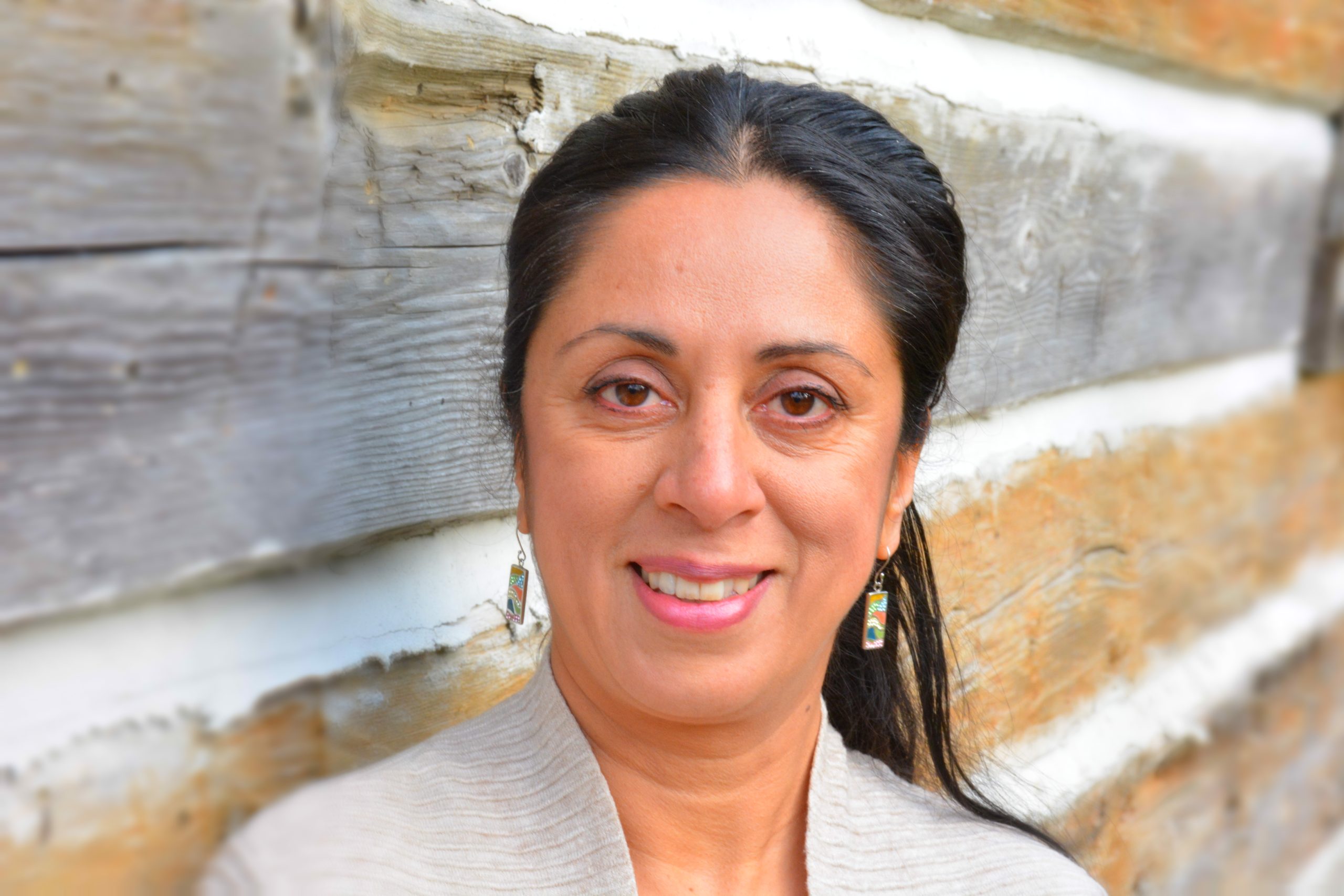
Dr. Angeli Chitale | BSc (Hons) ND
Angeli Chitale is a Queen’s University Graduate in Molecular Biology and Genetics. During her final year of post-grad level work in genetic research at the Department of Pathology, she treated her chronic knee injury with natural medicine - nutrition, herbs and supplements. The impact was so life changing, it inspired her to pursue formal studies and training in Naturopathic Medicine. While a student at The Canadian College of Naturopathic Medicine (CCNM), Angeli pursued further hands-on training in botanical medicine with the Ontario Herbalists Association. Upon graduation, she obtained further qualification in Restorative Medicine for the treatment of Thyroid, Adrenal and other endocrine/metabolic conditions. Angeli believes in contributing to the profession and has served as an Executive Board Member, Medical Editor for the LAND (Ontario Association of Naturopathic Doctors), Chair of the Naturopathic Legacy Committee and has worked overseas with NGOs such as Naturopathic Doctors International who provides natural medical care to patients in remote and isolated areas of Central America. Here, Angeli supervised clinical care in Women’s Clinics, taught Global Health, Botanical Medicine and Clinical skills to prospective ND candidates from all over North America. Angeli is a professional member of the AARM (Association for the Advancement of Restorative Medicine) and continues to remain politically active in enabling access to natural health for the Canadian public. Angeli views health as maintaining balance within all aspects of a person: emotional, mental, spiritual, environmental, social, physical - and that healing happens on all levels. When not consulting, Angeli enjoys learning, teaching, writing articles for publication, growing food, hiking, kayaking and landscape painting.
Course description
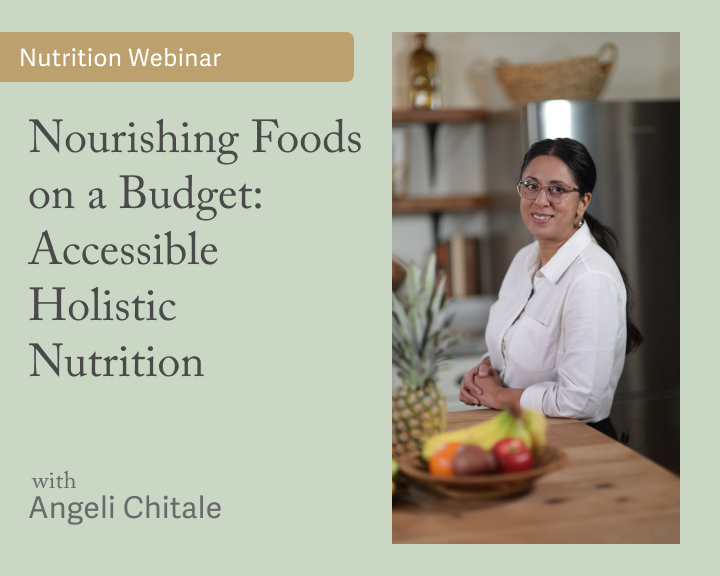
Conversation about cost of living: food prices, fuel prices, people are needing to change the way they shop to adjust to our new economic landscape.
Introduction
Discussing rising food and fuel prices. Providing encouragement: there are things we can do every day to support ourselves and others in need
Bulk of calories: ensure bulk of dollars go there: financial allocation for calories
Food swaps
e.g., walnuts vs. sunflower seeds: cost, nutrient density, comparative flavour
E..g, making use of less expensive cysts of meat: chicken thigh vs. breasts: unit per cost comparison
Growing things at home
Herbs: basil, cilantro, parsley, rosemary: discuss nutrition benefits, ways to use them
Conversation about micronutrition: adding local nutrient dense spices to food
Wild nutrition
Foraging weeds (safely) as inexpensive nourishment: nettle, sumac, chickweed
Bulk shopping
Strategic shopping: understanding price per unit
Freezing
Buying with friends
Food storage
Preserving excess & seasonal nutrition
Stretching out the seasons: buying things at a good price, and enjoy them throughout the year
Using normally discarded parts of vegetables: radish, turnip, beet, carrot green to reduce food waste
Recipe: lemon pickles
Mention: choosing purple cabbage over green, sauerkraut
Nutritional mileage
Discussing the nuance of ‘processed foods’ and how to add nutrients to convenience foods: E.g.,
Recipe 1: Instant ramen, etc.
Recipe 2: Mac and cheese