





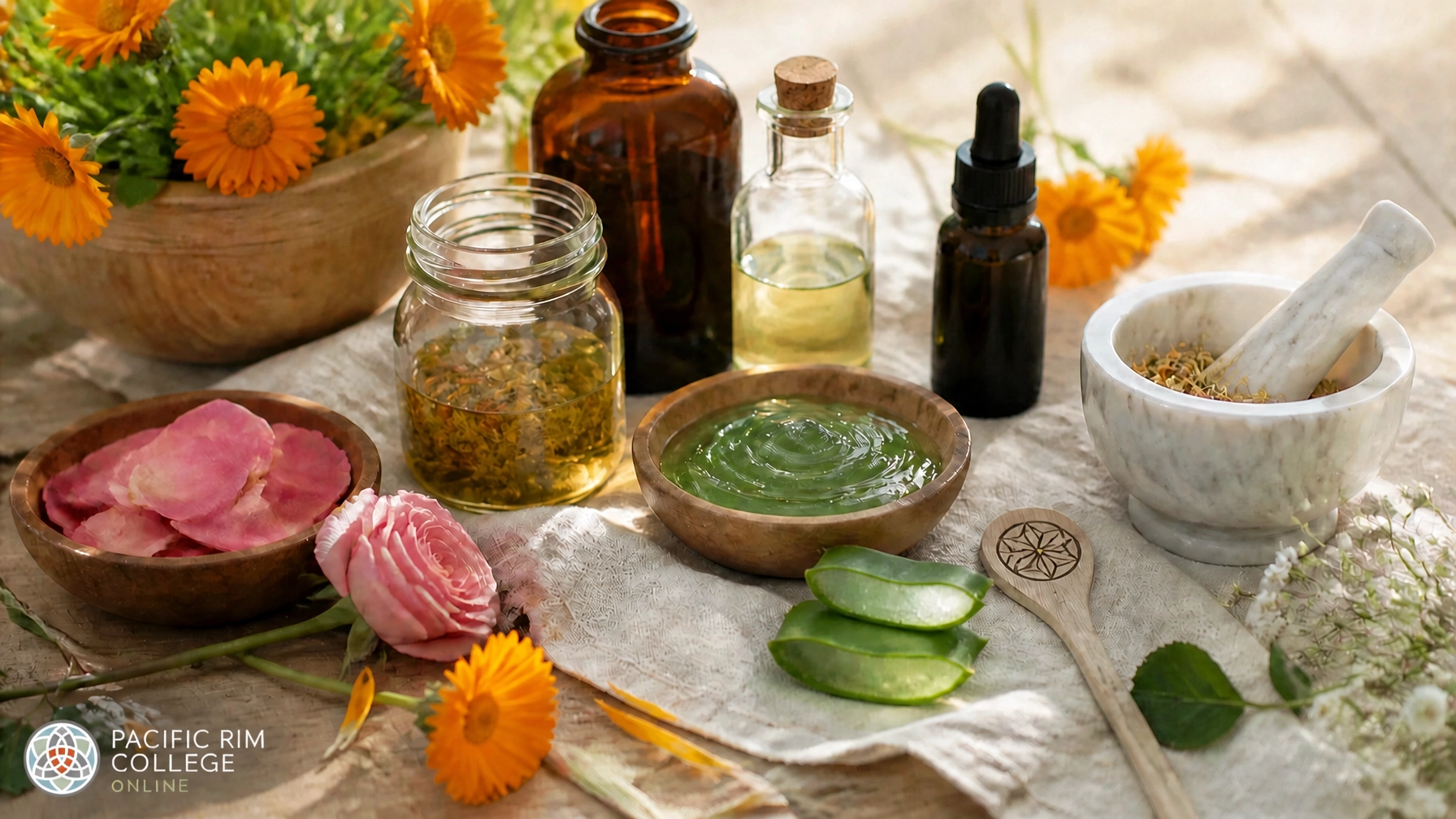
The Ultimate Guide to Botanical Skincare: Herbal Rituals for Sun-Kissed, Healthy Skin

Let’s be honest: by mid-July, most of us are essentially walking, sun-ripened tomatoes. Between the salt water, the heatwaves, and that “one quick hike” that turned into a four-hour ultraviolet marathon, your skin is likely screaming for a literal and metaphorical cooling break.
If you’ve ever felt like your face is simultaneously an oil slick and a desert (hello, transepidermal water loss, my old friend), you’re not alone. Summer doesn’t just change the weather; it rewrites the rules of your skin physiology. But before you panic-buy every “cooling” gel on the shelf, let’s talk science—and a little herbal soul.
In this guide, we’re ditching the “strip it into submission” mindset and leaning into botanical rituals that actually work. We’re taking a scientifically soulful approach: one part skin physiology, one part materia medica, and one part seasonal common sense. Think of it as professional-grade phytochemistry mixed with the kind of herbal wisdom that feels like a cold glass of hibiscus tea for your face.
You’ll find detailed botanical profiles, a section on wildcrafting for skin, a clinical overview of the microbiome-skin axis in summer, a 7-day Clinical Summer Protocol, and practical DIY ingredients suitable for a home apothecary.
If you’re exploring a professional next step, this article also connects naturally to a natural skincare course and an online herbology certificate pathway through Pacific Rim College Online, with broader ties to holistic wellness and sustainable living.
Why Summer Skin Behaves Differently
Summer does not simply make skin warmer; it alters barrier function, inflammatory load, and water balance.
A few key mechanisms are worth understanding:
- Ultraviolet radiation increases reactive oxygen species (ROS), contributing to oxidative stress and visible skin irritation.
- Heat and wind can increase transepidermal water loss (TEWL), even when skin does not immediately feel dry.
- Sweat, sunscreen, sebum, and particulate matter can accumulate more readily, especially in humid environments.
- Lifestyle factors such as travel, alcohol intake, disrupted sleep, and dietary shifts may influence both skin reactivity and recovery.
The clinical objective of summer skincare is not to strip the skin into obedience. It is to support barrier integrity, manage inflammatory burden, improve hydration, and encourage recovery after environmental exposure.
A Practical Phytochemistry Primer
Plants produce a wide range of phytoconstituents that can be relevant to skin health. A few categories show up repeatedly in summer formulas:
- Polyphenols: antioxidant compounds that help buffer oxidative stress
- Flavonoids: often associated with soothing and microvascular support
- Carotenoids: pigment compounds with antioxidant relevance, especially in brightly colored flowers
- Polysaccharides and mucilage: hydrophilic compounds that help bind water and support hydration
- Volatile oils: aromatic fractions that may offer sensory and topical benefits, depending on concentration and application
- Botanical lipids: fatty acids that support the intercellular matrix of the stratum corneum
In topical herbalism, preparation method matters because it affects extraction and bioavailability. Water-based preparations emphasize hydrophilic constituents such as polysaccharides and some flavonoids. Oil infusions are better suited to lipophilic compounds such as carotenoids and resinous fractions. In other words, if we want to get to the root of the formula, we need to match the solvent to the plant chemistry.
Important note: botanical skincare can be deeply supportive, but it does not replace mineral sunscreen, shade, hydration, or individualized medical care when indicated.
Plant Profiles: Summer Herbs, Properly Introduced
Calendula officinalis: The Golden Repair Specialist
Calendula officinalis is a classic topical herb in Western herbal practice, particularly valued for irritated, vulnerable, or environmentally stressed skin. Its petals contain a spectrum of phytoconstituents, including carotenoids such as lutein and beta-carotene, as well as flavonoids, triterpenoid saponins, and resinous compounds.
Why does that matter in practice? Carotenoids contribute antioxidant support, while triterpenes are part of why calendula has such a strong reputation for soothing and tissue support. This is one reason Calendula appears so often in salves, infused oils, creams, and after-sun preparations.
Why summer skin responds well to Calendula officinalis:
- Supports skin recovery after heat and wind exposure
- Helps calm visible redness and mild irritation
- Works well in lipid-based preparations that reinforce the barrier
Best applications:
- Infused oil for oil cleansing or body care
- Balm for dry or compromised areas
- Chilled compress when combined with other soothing herbs
Pro Tip: Calendula is particularly useful when skin is both reactive and barrier-depleted. It is one of herbal skincare’s least showy overachievers.
Rosa spp.: The Gentle Astringent With Range
Whether working with Rosa damascena, Rosa centifolia, or another appropriate species, Rose is far more than a fragrant extra. Rose petals and hydrosols contain volatile aromatic compounds, phenolic acids, and flavonoids that make them especially useful for flushed, warm, or emotionally stressed skin.
Rose hydrosol is often well suited to summer care because it provides mild astringency without excessive stripping. In practice, it can refresh the skin surface, reduce the feeling of heat, and make a protocol feel more intentional. That matters because ritual adherence is part of good clinical care, even outside the clinic.
Why summer skin responds well to Rosa spp.:
- Helps refresh heat-reactive skin
- Offers gentle surface hydration
- Pairs well with aloe, clay, and compresses
Best applications:
Cooling compress for flushed skin
Facial mist
Liquid phase in a clay or oat mask
Aloe barbadensis: The Polysaccharide Powerhouse
- Facial mist
- Liquid phase in a clay or oat mask
- Cooling compress for flushed skin
The gel of Aloe barbadensis is rich in polysaccharides, especially mucilaginous compounds that attract and hold water at the skin surface. Aloe also contains enzymes, amino acids, and smaller amounts of vitamins and phenolic constituents. In practical topical use, its greatest value in summer often comes from its cooling sensory profile and its role in hydrating heat-stressed tissue.
Why summer skin responds well to Aloe barbadensis:
- Helps cool skin that feels warm, tight, or overstimulated
- Offers hydrating support in gels, mists, and after-sun preparations
- Pairs well with both hydrosols and barrier-supportive creams
Best applications:
- Direct gel application after sun exposure
- Component of a hydrating mask
- Water phase ingredient in cooling body care
Common Mistake: Using aloe alone on already dehydrated skin and assuming the job is done. Hydration without barrier support can evaporate quickly, especially when TEWL is elevated.
Lavandula angustifolia: The Aromatic Regulator
Lavandula angustifolia is frequently associated with aroma, but its topical role extends beyond fragrance. Lavender contains volatile oils such as linalool and linalyl acetate, which contribute to its long-standing use in soothing topical preparations and evening care rituals.
Why summer skin responds well to Lavandula angustifolia:
- Traditionally used in calming compresses and skin preparations
- Pairs effectively with calendula and rose
- Particularly useful in evening routines when the goal is to support both skin and nervous system recovery
Hypericum perforatum: The Evening-Only Ally
Hypericum perforatum is a respected topical herb in oil preparations, especially for skin comfort and tissue support. Its profile includes compounds such as hypericin and hyperforin, but this is the herb that reminds us not to be a photo-sensitive wallflower in the wrong setting. Topical use may increase photosensitivity in some individuals, so it is better reserved for evening application or areas not exposed to direct sunlight.
Why summer skin responds well to Hypericum perforatum:
- Traditionally valued in restorative oils
- Well suited to nighttime repair rituals
Common Mistake: Applying it before daytime sun exposure. In summer herbalism, timing is part of formulation intelligence.
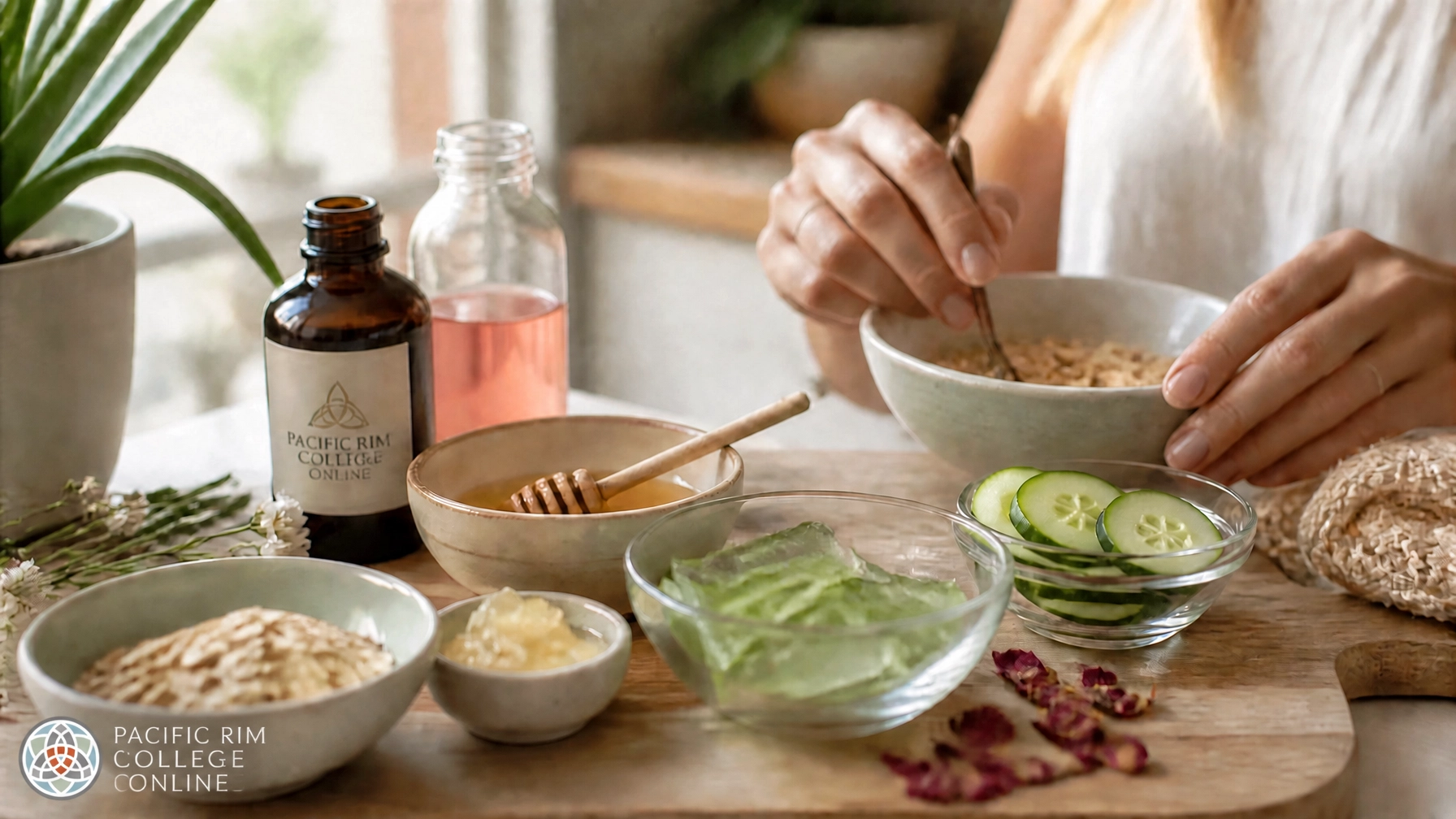
Wildcrafting for Skin: Botanical Integrity Matters
Wildcrafting can deepen a student’s relationship with plant medicine, but it should always be approached with ecological literacy, correct identification, and preparation awareness.
If you plan to use wild or freshly harvested plant material in skincare, the standard is simple: identify correctly, harvest ethically, and prepare appropriately. This is especially important if your interest in herbalism is connected to sustainable living and local materia medica.
Core Wildcrafting Principles
When harvesting herbs intended for topical use:
- Confirm identification with confidence. Binomial nomenclature is not academic decoration; it is a safety tool.
- Avoid contaminated sites, including roadsides, sprayed areas, industrial edges, and areas with known runoff.
- Harvest selectively and lightly, leaving enough plant material for pollinators, regeneration, and ecosystem resilience.
- Choose healthy plant material free from mold, mildew, pest damage, or visible contamination.
- Match the preparation to the plant. Fresh herbs, dried herbs, oil infusions, and water infusions all behave differently.
Calendula is often cultivated rather than wildcrafted, which makes it an ideal herb for beginners. Roses, lavender, chamomile, yarrow, and plantain may be home-grown, ethically sourced, or harvested locally where appropriate and lawful.
Skin-Relevant Wild Herbs Worth Knowing
Plantain (Plantago spp.)
A humble but highly respected topical herb. Plantain is traditionally used for minor skin irritation, bites, and inflamed tissue. Its reputation comes not from glamour but from consistency.
Yarrow (Achillea millefolium)
Aromatic, mildly astringent, and often selected for oily or blemish-prone skin. Accurate identification is essential, as several umbellifer-like plants may confuse beginners.
Chamomile (Matricaria chamomilla)
A gentle herb frequently chosen for sensitive or reactive skin. Chamomile preparations often feel simple, but their effect profile is anything but sleepy.
Common Wildcrafting Errors
- Harvesting based on appearance rather than confirmed identification
- Collecting from ecologically stressed or contaminated areas
- Infusing high-moisture fresh herbs into oil without proper technique
- Assuming that “natural” automatically guarantees tolerability
Pro Tip: Growing a few topical herbs at home is often the most clinically sensible place to start. A small Calendula or Chamomile patch can teach extraction, observation, and seasonality without compromising wild populations.
The Summer Glow Pantry: A Home Apothecary Approach
A practical herbal skincare pantry should function like a small apothecary: simple, purposeful, and grounded in ingredient literacy.
Useful ingredients for summer formulations include:
- Colloidal oats or finely ground oats: rich in soothing polysaccharides and beta-glucans
- Raw honey: humectant and useful in wash-off applications
- Aloe gel: cooling, hydrating, and easy to layer into protocols
- Rose hydrosol: refreshing and gently astringent
- Cucumber: water-rich and traditionally cooling
- Jojoba oil: lightweight and often well tolerated
- Sunflower oil: affordable, gentle, and suitable for herbal infusions
- Calendula-infused oil: a foundational summer ingredient
- Kaolin clay: useful when congestion is present and barrier function is intact
- Lavender or chamomile infusion: excellent for cooled compresses
A Few Apothecary-Style Combinations
Cooling Mask: aloe gel + cucumber juice + colloidal oat
Gentle Honey Cleanse: raw honey + rose hydrosol + a small amount of oat
After-Sun Compress: cooled calendula and lavender infusion
Simple Facial Oil: jojoba + calendula-infused oil
Common Mistake: Adding phototoxic essential oils to summer formulas and then stepping into full sun. The formula may be beautiful, but the outcome may not be.
Ancient Wisdom, Modern Context: A TCM View of Summer Skin
Traditional Chinese Medicine offers a valuable seasonal framework for summer skin care. Summer corresponds with the Fire element and is associated with outward movement, warmth, activity, perspiration, and the Heart system. In seasonal imbalance, excessive summer heat may consume fluids, agitate the Shen, and present as redness, inflammation, restlessness, dryness, or heat-related eruptions.
This framework is not at odds with modern skin physiology. It complements it. Where modern language discusses inflammation, fluid loss, and barrier stress, TCM describes heat, Yin depletion, and Shen disturbance. Different maps, similar terrain.
Three TCM Concepts That Translate Well Into Practice
1. Clear Heat
When the skin presents with redness, warmth, or irritation, cooling interventions are preferred. This may include aloe, rose, cucumber, cool compresses, reduced thermal exposure, and restraint with exfoliants.
2. Nourish Yin
Yin can be understood as the moistening, restorative, cooling aspect of the body. In a summer protocol, this means replenishing fluids internally, supporting moisture topically, and avoiding routines that unnecessarily deplete the skin.
3. Calm the Shen
Overstimulation, poor sleep, excessive screen time, and summer social intensity may all affect skin reactivity. Aromatic hydrosols and evening rituals can help regulate both skin experience and nervous system tone.
Pro Tip: Not every summer skin flare requires a more complex product. Sometimes the correct intervention is less heat, more rest, and one fewer exfoliant.
The Gut-Skin Connection in Summer: A Clinical View of the Microbiome-Skin Axis
The gut-skin connection is increasingly discussed through the lens of the microbiome-skin axis, a concept describing the relationship between gastrointestinal ecology, immune signaling, inflammatory load, and skin expression.
During summer, several factors may place additional stress on that axis:
- Altered meal timing during travel
- Increased alcohol and sugar intake
- Greater exposure to heat and dehydration
- More irregular sleep and stress patterns
- Higher intake of processed or convenience foods during events and outings
These variables may influence digestion, immune tone, and systemic inflammation. For some individuals, that can correspond with more visible skin reactivity, including congestion, dullness, puffiness, or inflammatory breakouts.
A Summer-Specific Microbiome Overview
The skin barrier and the gut barrier are distinct, but both rely on integrity, appropriate hydration, and balanced inflammatory signaling. When digestion is disrupted, the body may experience shifts in elimination, nutrient absorption, and immune reactivity. From a practical standpoint, summer routines that destabilize the gut often show themselves on the face a few days later.
This does not mean every blemish is a microbiome crisis. It means that a clinically informed summer skin protocol should consider:
- Hydration status
- Dietary inflammatory load
- Fiber intake and digestive regularity
- Stress physiology
- Sleep quality
Practical Summer Support for the Microbiome-Skin Axis
- Prioritize water-rich foods such as cucumber, berries, melons, and leafy greens
- Maintain fiber intake through vegetables, seeds, legumes, and whole foods as appropriate
- Observe whether alcohol, sugar, or highly processed foods correlate with increased skin inflammation
- Support regular meals when possible rather than relying on stimulants and skipped lunches
- Include culinary herbs and bitters where suitable
From both modern and traditional perspectives, fluid balance matters. So does rhythm. The skin often reflects what the digestive system has been tolerating, compensating for, or quietly protesting.
Step-by-Step Herbal Rituals for Real Summer Life
1. Botanical Oil Cleansing
Oil cleansing is one of the more efficient ways to remove sunscreen, sweat, sebum, and particulate buildup without unnecessarily disrupting the lipid barrier.
Materials: calendula-infused jojoba oil or sunflower oil
Procedure:
- Apply a small amount to dry skin.
- Massage for 1–2 minutes to loosen residue.
- Remove with a warm, damp cloth.
- Follow with a gentle cleanser if needed.
Pro Tip: For anyone wearing mineral sunscreen daily, this step often improves cleansing efficacy without increasing irritation.
2. Cooling Botanical Mist
A properly formulated mist can help reduce the sensory burden of heat while offering light hydration.
Materials: rose hydrosol, aloe liquid, distilled water
Procedure:
- Combine in a clean spray bottle.
- Refrigerate if desired.
- Mist onto face, neck, and chest as needed.
Common Mistake: Repeatedly misting without following with barrier support in very dry environments. Hydration needs somewhere to land.
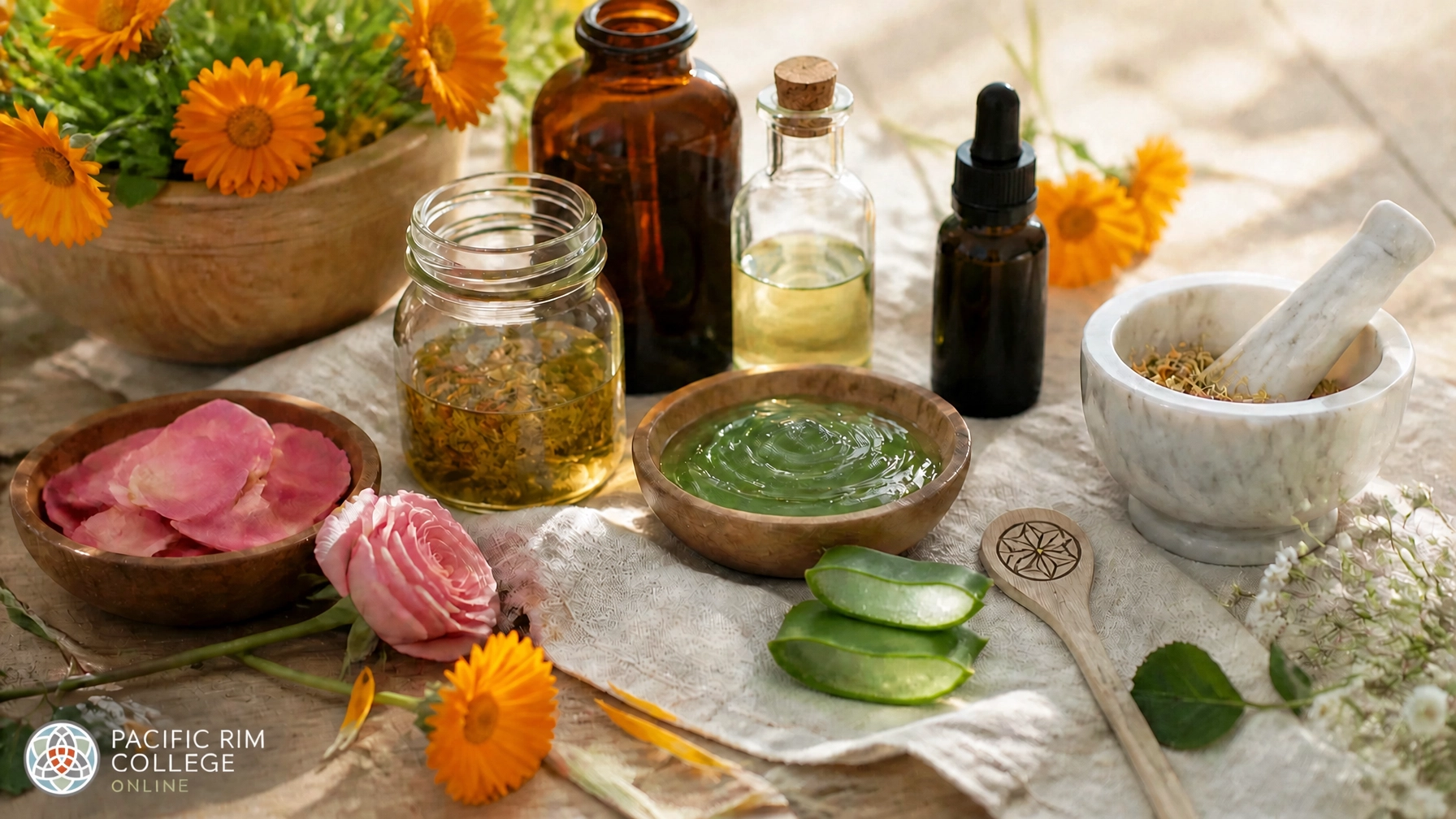
3. Herbal Compress for After-Sun Recovery
A cooled herbal compress offers prolonged contact time, making it a useful intervention when the skin feels visibly warm or reactive.
Materials: strong cooled infusion of Calendula officinalis and Lavandula angustifolia, soft cloth
Procedure:
- Soak the cloth in the chilled infusion.
- Apply to affected areas for 10–15 minutes.
- Follow with aloe gel and a simple barrier-supportive moisturizer.
A 7-Day Clinical Summer Protocol
The following protocol is designed as a structured, gentle rhythm for summer skin support. The goal is consistency, not excess.
Day 1: Barrier-Friendly Reset
- Evening oil cleanse
- Gentle cleanser
- Rose hydrosol mist
- Light moisturizer or facial oil
Clinical focus: remove buildup while preserving barrier integrity
Day 2: Hydration and TEWL Support
- Morning rose and aloe mist
- Hydrating serum or gel
- Mineral SPF
- Evening aloe under moisturizer
Clinical focus: support hydration and reduce water loss
Day 3: Soothing Mask Protocol
- Apply a simple mask of aloe, oat, and cucumber for 10 minutes
- Rinse gently
- Finish with calendula-infused oil or moisturizer
Clinical focus: calm skin and support surface comfort
Day 4: Microbiome-Skin Support Day
- Prioritize hydration
- Add water-rich foods and herbs to meals
- Keep skincare minimal and restorative
Clinical focus: support the inside-out dimension of summer skin care
Day 5: After-Sun Recovery
- Use a chilled herbal compress in the evening
- Apply aloe
- Seal with a barrier-supportive cream or oil
Clinical focus: reduce heat load and support recovery
Day 6: Minimalist Maintenance
- Gentle cleanse
- Mist
- Moisturizer
- SPF
Clinical focus: avoid over-treatment
Day 7: Shen + Skin Reset
- Evening wash
- Rose or lavender mist
- Slow facial oil massage
- Earlier bedtime where possible
Clinical focus: support nervous system regulation and visible skin calm
Pro Tip: A protocol is only useful if it is repeatable. The skin generally responds better to steady support than to heroic interventions.
Common Summer Skincare Mistakes
A few habits can quietly sabotage even a thoughtful herbal routine.
- Over-exfoliating because skin feels congested
- Using harsh foaming cleansers after sun exposure
- Forgetting the neck, chest, and shoulders
- Applying beautiful oils to sun-exposed skin without checking safety
- Treating dehydration and oiliness as opposites when they often show up together
- Buying every trendy botanical product without learning what your skin actually likes
The goal is not more products. It’s better choices.
Continuing Education and Personal Enrichment
At some point, curiosity turns into “wait, I actually want to understand this properly.” If that’s where you are, Pacific Rim College Online offers thoughtful next steps for people who want more than scattered internet advice.
Learn the Craft Behind the Glow
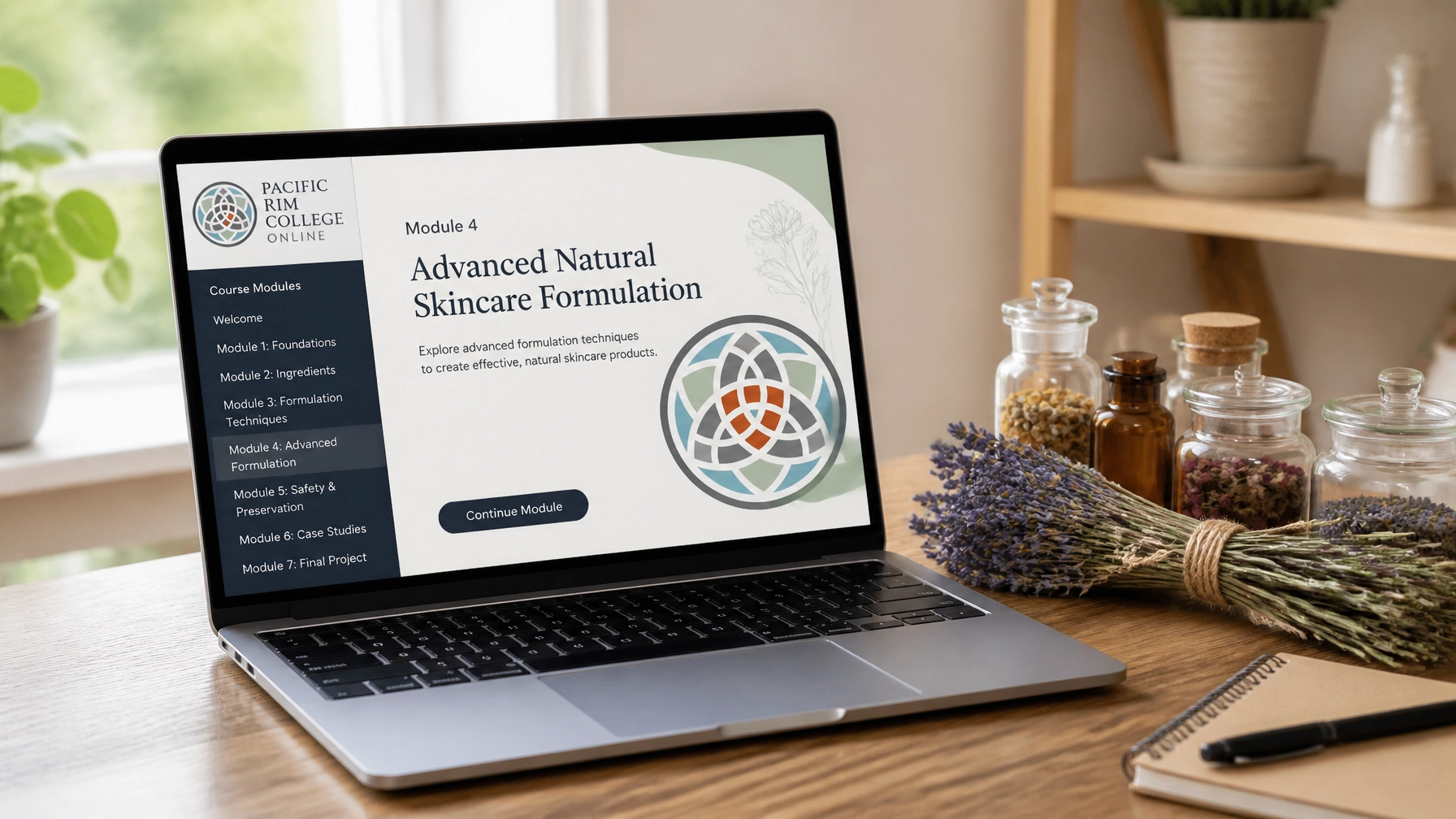
If you’d like to study formulation more deeply, the Advanced Natural Skincare Formulation course is a strong next step. It’s an excellent option for learners looking for a practical, in-depth natural skincare course that explores how products are actually made, how ingredients function, and how formulas are built with intention.
Go Deeper Into the Plants
If what really lights you up is the herbal side of things, exploring PRCO’s Programs can help you find the right path in herbal medicine, personal enrichment, and continuing education. For many learners, this is the natural bridge toward an online herbology certificate experience rooted in traditional knowledge, modern application, and a broader connection to holistic wellness and sustainable living.
To explore everything currently available, browse All Courses.
Conclusion
Summer skin does not need an argument; it needs an informed protocol.
When we combine barrier-aware skincare, seasonal herbalism, and a working knowledge of phytoconstituents, the result is more than a pleasant routine. It becomes a coherent approach to summer skin physiology. Calendula officinalis offers carotenoid-rich topical support, Rosa spp. brings gentle cooling and astringency, and Aloe barbadensis contributes hydrating polysaccharides that are especially relevant when heat and sun increase TEWL.
If this guide has you thinking more like a formulator, clinician, or serious student, PRCO’s free mini-lessons are a natural next step. They offer approachable, high-level education you can actually use. And if you’re ready to deepen your training, a professional natural skincare course or an online herbology certificate pathway through PRCO can help translate curiosity into meaningful continuing education and personal enrichment.
This information is for educational purposes only and is not intended to be a substitute for professional medical advice, diagnosis, or treatment. Always seek the advice of your physician or other qualified health provider with any questions you may have regarding a medical condition.