






Need to Know
-
 Who is this course for?Everyone
 -
 Course length (start & watch when you want)1.2 hours of video content
 -
 ExtrasLifetime access · Certificate of completion
Meet your course instructor
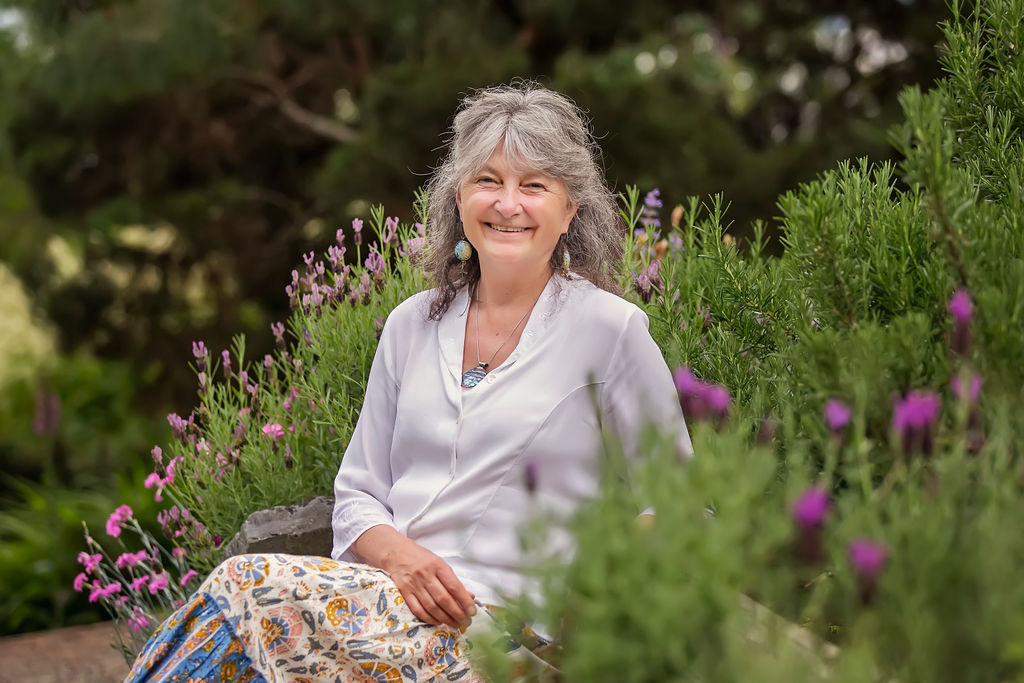
Amanda Howe | RHT, Medical Herbalist
Amanda Howe has been a Herbalist for over forty years. She trained in England in the early ’80s and became a member of the National Institute of Medical Herbalists (UK). She went on to receive her MSc in Herbal Medicine from the University of Wales. Amanda worked in England in a multidisciplinary clinic before moving to Vancouver Island thirty years ago. Since moving to Canada Amanda has been active in practice as a Herbalist and as a herbal educator. She has served on the board of the provincial Canadian Herbalists Association of BC as well as the national Herbal Practitioners Council – the Canadian Council of Herbalists Associations (CCHA), working to ensure continued access to herbal medicines for Herbalists and the general public. And she also sat on Health Canada’s Natural Health Products Expert Advisory Committee. Amanda spent several years teaching at Pacific Rim College in Victoria, BC. as a teacher in their excellent full-time Herbal Practitioner training program, and was involved in funded research projects with the Centre for Livelihoods and Ecology at Royal Roads University. Amanda is passionate about herbs and herbal medicine and about sharing the connection to the natural world that can be found through connecting with and learning about the healing power of plants. Amanda loves to teach and is happiest when she is in the garden teaching people how to grow, harvest, use and listen to the magic of the plants that are thriving there
Course description
We need to be mindful of our actions when harvesting roots, especially in this time of rapid change in our environments and the attendant stressors that accompany climate change. Plants hold memory of how to manage stress and crisis in the ecosystem. Their roots and seeds carry this epigenetic memory and are critical for their survival and for the survival of ecosystems, water sheds, all living things. Plants also hold memory in ways we do not fully understand yet, but this memory is critical for the health of the planet.
List of herbs that will be covered in the class:
Dandelion – Taraxacum officinale
Burdock- Arctium lappa
Oregon Grape – Mahonia aquifolium
Golden Seal – Hydrastis canadensis
Elecampane – Inula helenium
Devil’s Club – Oplopanax horridus
“Plants definitely have several different forms of memory, just like people do. They have short term memory, immune memory and even trans-generational memory! I know this is a hard concept to grasp for some people, but if memory entails forming the memo ry (encoding information), retaining the memory (storing information), and recalling the memory (retrieving information), then plants definitely remember. For example a Venus Fly Trap needs to have two of the hairs on its leaves touched by a bug in order to shut, so it remembers that the first one has been touched. But this only lasts about 20 seconds, and then it forgets. Wheat seedlings remember that they’ve gone through winter before they start to flower and make seeds. And some stressed plants give rise to prog eny that are more resistant to the same stress, a type of trans-generational memory that’s also been recently shown also in animals. While the short term memory in the venus fly trap is electricity-based, much like neural activity, the longer term memories are based in epigenetics — changes in gene activity that don’t require alterations in the DNA code, as mutations do, which are still passed down from parent to offspring. “
Daniel Chamowitz “What a Plant Knows”